In most construction markets, suppliers assume contractor loyalty is built on price, product availability, and delivery speed.
Those things matter.
But they are rarely the full reason a contractor stays.
Contractors stay loyal to the suppliers that make it easier to win jobs, protect margin, and look more professional in front of customers. A supplier that helps a contractor grow revenue becomes much harder to replace than a supplier that simply ships materials.
That is the shift many suppliers still underestimate.
They are competing as product vendors in a market where the real opportunity is to become a growth partner.
Loyalty Is Not Built on Price Alone
Many suppliers believe that if their pricing is competitive and their service is acceptable, contractors will stay.
But in reality, contractors regularly compare suppliers on a broader set of questions:
- Who helps me quote faster?
- Who helps me look better in front of the client?
- Who helps me sell premium options?
- Who gives me confidence in product selection?
- Who solves problems quickly when a project is at risk?
- Who helps me make more money, not just save a little money?
A contractor may appreciate a lower price per unit. But if another supplier helps them close more work and improve presentation, that value can outweigh small pricing differences very quickly.
For example, saving 3% on material cost may matter. But improving close rate, raising average ticket size, or reducing estimate mistakes can be worth far more over the course of a year.
That is why supplier loyalty should not be viewed as a purchasing issue alone. It is also a sales support issue.
The Supplier’s Real Influence Starts Before the Material Is Ordered
By the time a contractor places a material order, much of the important work has already happened.
The customer has been qualified.
The project has been discussed.
The estimate has been built.
Options have been considered.
A proposal has been presented.
A decision is close.
If the supplier only enters the picture at the order stage, they are arriving too late to shape the outcome.
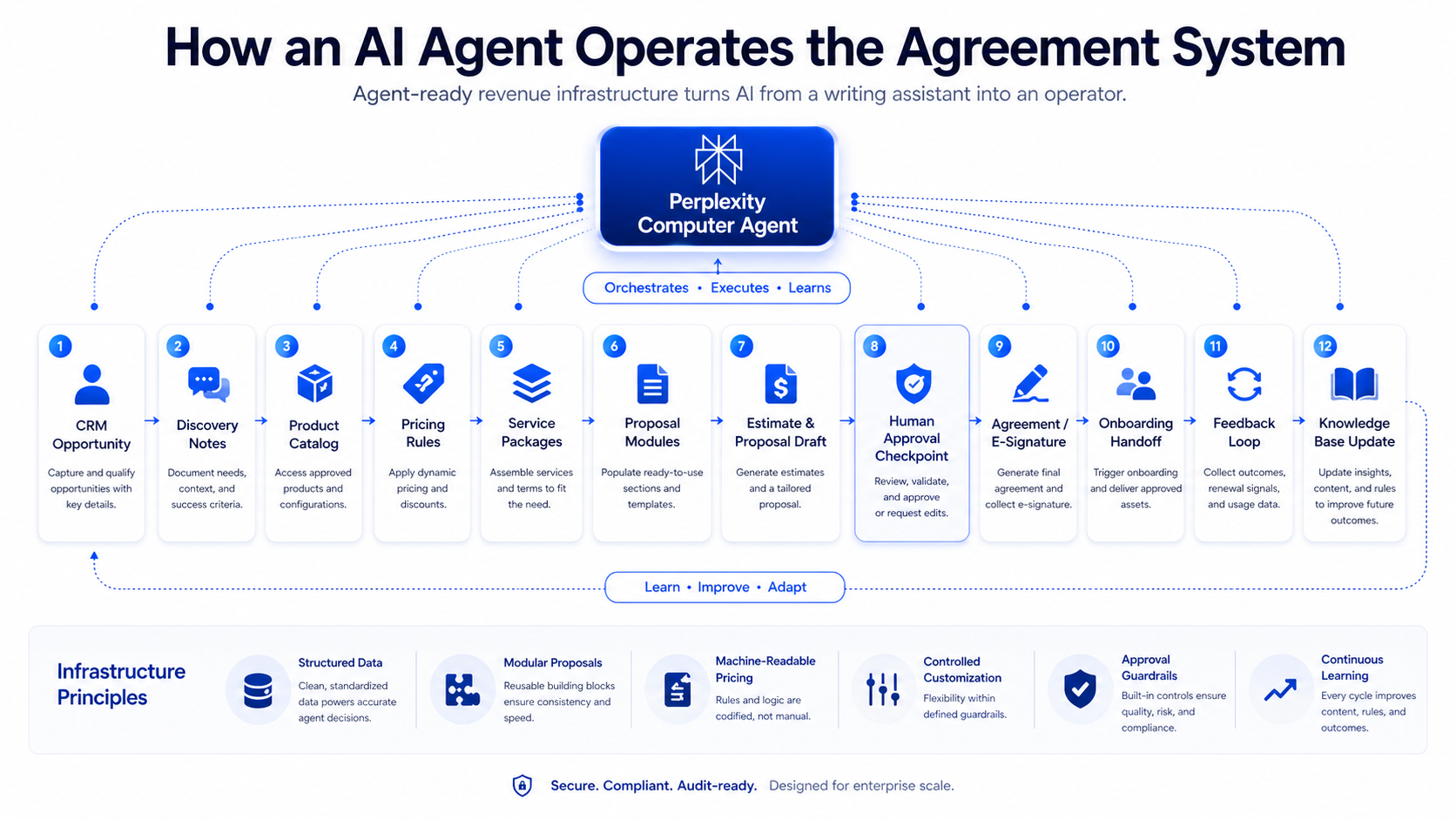
But if the supplier supports the contractor earlier, during estimating, product selection, proposal building, and sales conversations, they become part of the contractor’s revenue engine.
That changes the relationship.
The supplier is no longer just “where the materials come from.”
They become “the partner who helps us win.”
That is what creates real loyalty.
What Actually Makes Contractors Stay
Contractors do not stay loyal because a supplier says they care.
They stay loyal because they repeatedly experience practical value.
1. Speed and confidence in quoting
Many contractors lose momentum when quoting takes too long or when product information is difficult to interpret.
If a supplier helps make quoting faster through structured catalogs, accurate specifications, better product comparisons, or easier pricing workflows, the contractor feels immediate value.
Speed matters because every delay creates risk:
- slower follow-up
- reduced client confidence
- more room for competitors
- more mental friction for the contractor’s team
A supplier that reduces friction becomes part of a smoother sales process.
2. Help selling better options
Many contractors do not struggle only with closing jobs. They struggle with closing the right jobs at the right price.
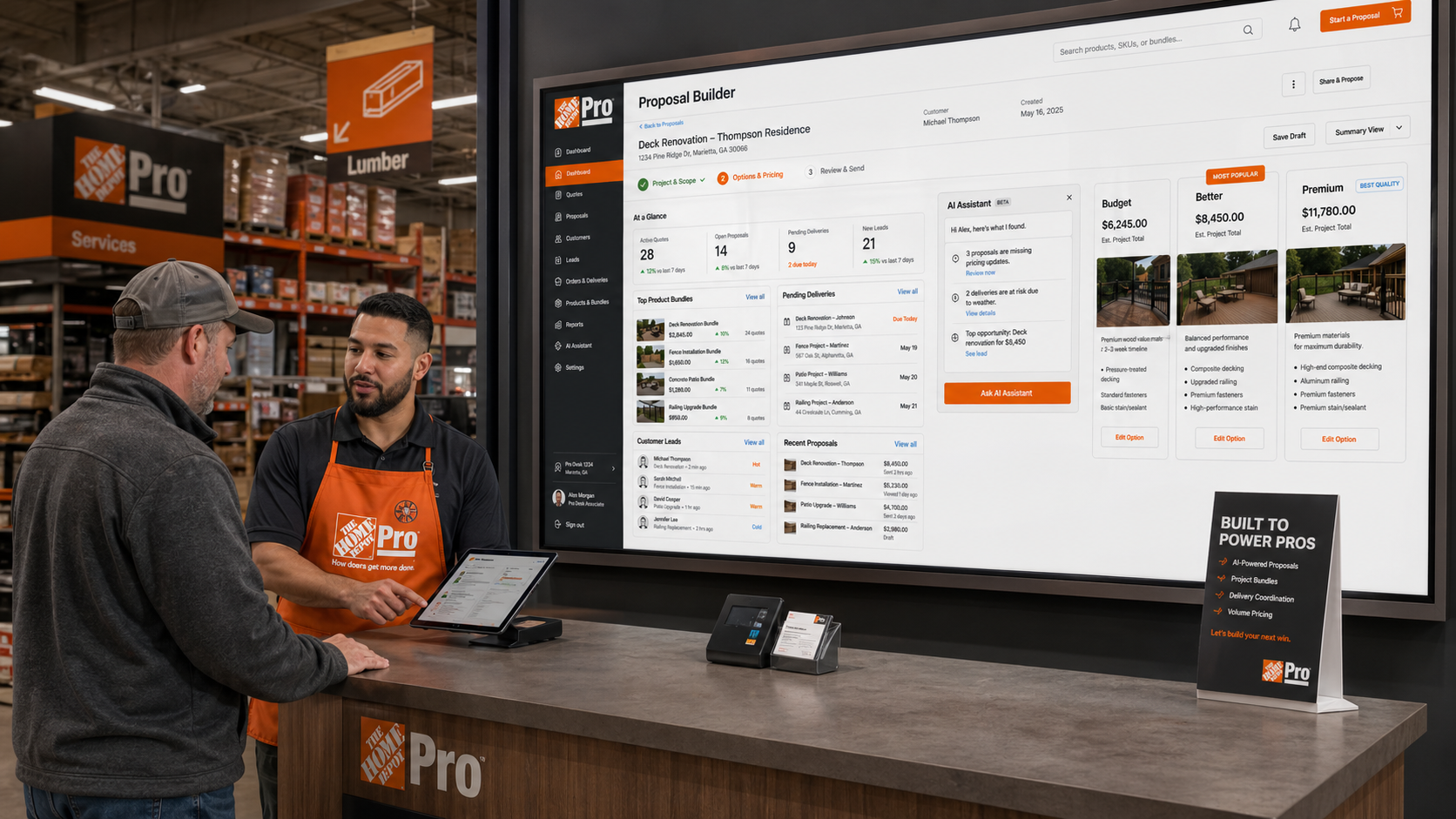
A supplier that helps them present “good, better, best” options, explain performance differences, and show visual upgrades can increase average project value.
That matters because higher-value jobs often create:
- healthier contractor margins
- better perceived professionalism
- more premium material pull-through
- fewer price-only conversations
When a supplier helps the contractor sell up instead of discount down, loyalty becomes stronger.
3. Reliable support when risk appears
Loyalty is built fastest when something goes wrong.
If a delivery issue, product question, install concern, or customer objection arises and the supplier responds quickly and clearly, the contractor remembers it.
Contractors work in environments where uncertainty is constant. Jobs change, clients delay decisions, field conditions shift, and crews need answers quickly.
A supplier that performs well under pressure becomes trusted.
And trust is what holds the relationship together when competitors make offers.
4. Professional tools that improve close rates
Many contractors still sell sophisticated projects using weak proposals, inconsistent product descriptions, or generic paperwork.
That creates a gap between the quality of the work and the quality of the sales process.
Suppliers can close that gap by providing:
- cleaner proposal templates
- product comparison tools
- spec sheets written for selling, not just technical reference
- visual aids
- sample presentation systems
- margin calculators
- upgrade frameworks
These tools do more than make life easier. They help the contractor win more convincingly.
That is the kind of support contractors remember.
5. Training that makes the contractor stronger
A supplier that teaches contractors how to estimate better, present better, and sell better creates a relationship that goes far beyond transactions.
Training does not have to be complicated.
It can include:
- how to explain premium materials
- how to defend price
- how to structure options
- how to avoid underpricing
- how to position upgrades
- how to use visuals during sales conversations
When the contractor grows because of that support, the supplier becomes associated with progress.
That is difficult for a competitor to copy with a discount.
Example: Two Suppliers, Two Different Relationships
Imagine a contractor who buys turf, pavers, or flooring from Supplier A.
Supplier A offers decent pricing, acceptable service, and regular inventory. Orders get filled. Nothing is especially wrong.
But Supplier A does not help much beyond that.
Now imagine Supplier B.
Supplier B provides:
- a clearer product catalog
- a faster quoting structure
- a proposal template the contractor can use
- product comparison charts for homeowners
- simple sales language for explaining premium options
- a margin exercise to help avoid underbidding
- occasional support on presentation and deal strategy
Supplier B may not always be the cheapest.
But over time, the contractor notices something important:
jobs are easier to quote, customers understand the options better, proposals look stronger, and selling feels more confident.
In that case, Supplier B is no longer competing only on price.
They are competing on usefulness.
And usefulness builds loyalty faster than discounts do.
Why This Matters for Supplier Growth Strategy
Many suppliers still try to grow by chasing new accounts while underinvesting in the growth of existing contractors.
That is expensive.
Winning new dealers matters, but helping existing dealers grow is often more profitable and more defensible.
When an existing contractor becomes stronger, the supplier benefits through:
- more repeat orders
- higher material volume
- more premium mix
- lower churn
- stronger referrals
- deeper integration into the contractor’s workflow
In other words, contractor loyalty is not just a retention metric. It is a multiplier.
The more useful the supplier becomes, the more embedded they become in the contractor’s business.
That leads to stronger long-term revenue.
The Mistake Many Suppliers Make
The common mistake is assuming that contractor loyalty is won at the warehouse, in the pricing sheet, or on the delivery truck.
In reality, loyalty is often won in places like:
- the estimate
- the proposal
- the sales conversation
- the product explanation
- the job walkthrough
- the moment of uncertainty before a customer signs
That is where contractors feel either supported or alone.
The supplier that helps in those moments earns a very different kind of loyalty.
Final Thought
Contractors do not stay loyal only because a supplier sells good products.
They stay loyal because that supplier helps them operate with more confidence, sell with more clarity, and win with less friction.
That is the real opportunity for suppliers in the years ahead.
Not just to move material.
To become part of the contractor’s growth system.
At Proven Dude, we help suppliers build the tools and systems that make contractors stronger: better catalogs, pricing exercises, proposal support, margin tools, visualization workflows, and sales enablement systems that help contractors win more profitable jobs.
Because the supplier that helps contractors win is the supplier they do not want to replace.