Most contractors believe that growth comes from getting more leads.
More Google Ads.
More SEO pages.
More referrals.
But when you analyze the fastest-growing installation companies in landscaping, artificial turf, flooring, remodeling, or hardscaping, a different pattern appears.
They do not simply generate more leads.
They build a structured sales funnel that turns ordinary inquiries into larger, higher-value projects.
Instead of chasing jobs, they guide customers through a process designed to increase project size, improve margins, and close faster.
Why Most Contractor Leads Stay Small
A homeowner calls about a project.
Typical request:
- small backyard turf
- patio repair
- small deck
- basic landscaping
- a few hundred square feet of installation
The homeowner may initially think in terms of a $3,000–$6,000 project.
Many contractors simply quote exactly what the client requested.
The job stays small.
But top contractors understand something important:
Most homeowners are not experts in project design.
They only describe the first idea that comes to mind.
When contractors guide the design and planning process properly, the project often expands naturally.
A small inquiry can easily become a $12,000–$25,000 project.
The Contractor Sales Funnel
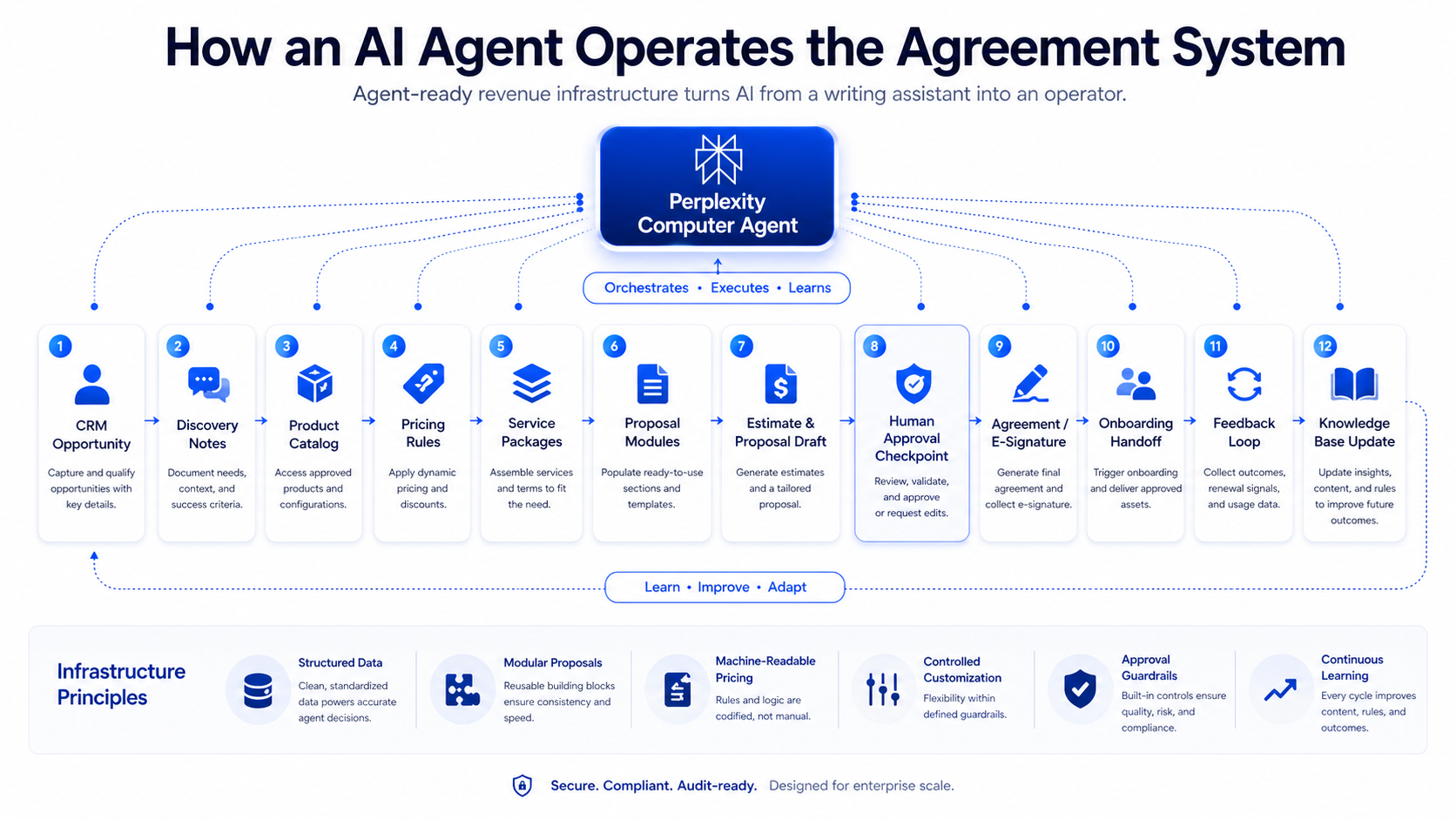
Successful companies move every lead through a structured process.
A typical funnel looks like this:
Lead → Qualification → Site Visit → Design → Proposal → Schedule Lock → Installation
Each step has a specific goal.
The purpose is not simply to provide an estimate.
The purpose is to increase confidence, clarify choices, and expand the project scope.
Step 1: Lead Qualification
Not every lead deserves a site visit.
Unqualified leads consume:
- travel time
- fuel
- estimating hours
- scheduling effort
Smart contractors begin by qualifying leads during the first call.
Typical questions include:
- What area are you planning to improve?
- Approximately how large is the space?
- When are you hoping to complete the project?
- Are you considering any additional features?
These questions accomplish two things.
First, they filter out unrealistic projects.
Second, they begin expanding the conversation beyond the homeowner’s initial request.
Step 2: Pre-Visit Preparation
Many contractors arrive at a property with nothing more than a measuring tape.
High-performing contractors arrive prepared.
They bring:
- product samples
- a simple catalog of project options
- photos of previous installations
- examples of upgrade features
This changes the meeting from a measurement visit into a design consultation.
Instead of simply pricing a project, the contractor begins helping the homeowner imagine possibilities.
Step 3: Expanding the Vision
During the site visit, experienced contractors rarely ask only:
“Where do you want the installation?”
Instead, they ask broader questions.
For example:
- Do you use the yard mostly for entertaining or relaxing?
- Do you have pets?
- Would lighting or edging improve the space?
- Have you considered integrating a small seating area or putting green?
These questions often uncover needs the homeowner had not considered.
Small projects begin expanding naturally.
A simple turf installation might evolve into:
- turf + drainage layer
- turf + edging
- turf + lighting
- turf + seating area
The project grows because the contractor helped the client see the possibilities.
Step 4: Visualizing the Project
Homeowners make decisions faster when they can visualize the outcome.
Photos, product displays, or simple design renderings dramatically improve closing rates.
Visualization reduces uncertainty.
It transforms the conversation from:
“Should we do this?”
to
“I can see how this will look.”
Contractors who integrate visualization tools into their sales funnel frequently report:
- higher closing rates
- larger project values
- faster decisions
Step 5: Structured Proposals
Another major difference between average contractors and high-performing companies is the proposal structure.
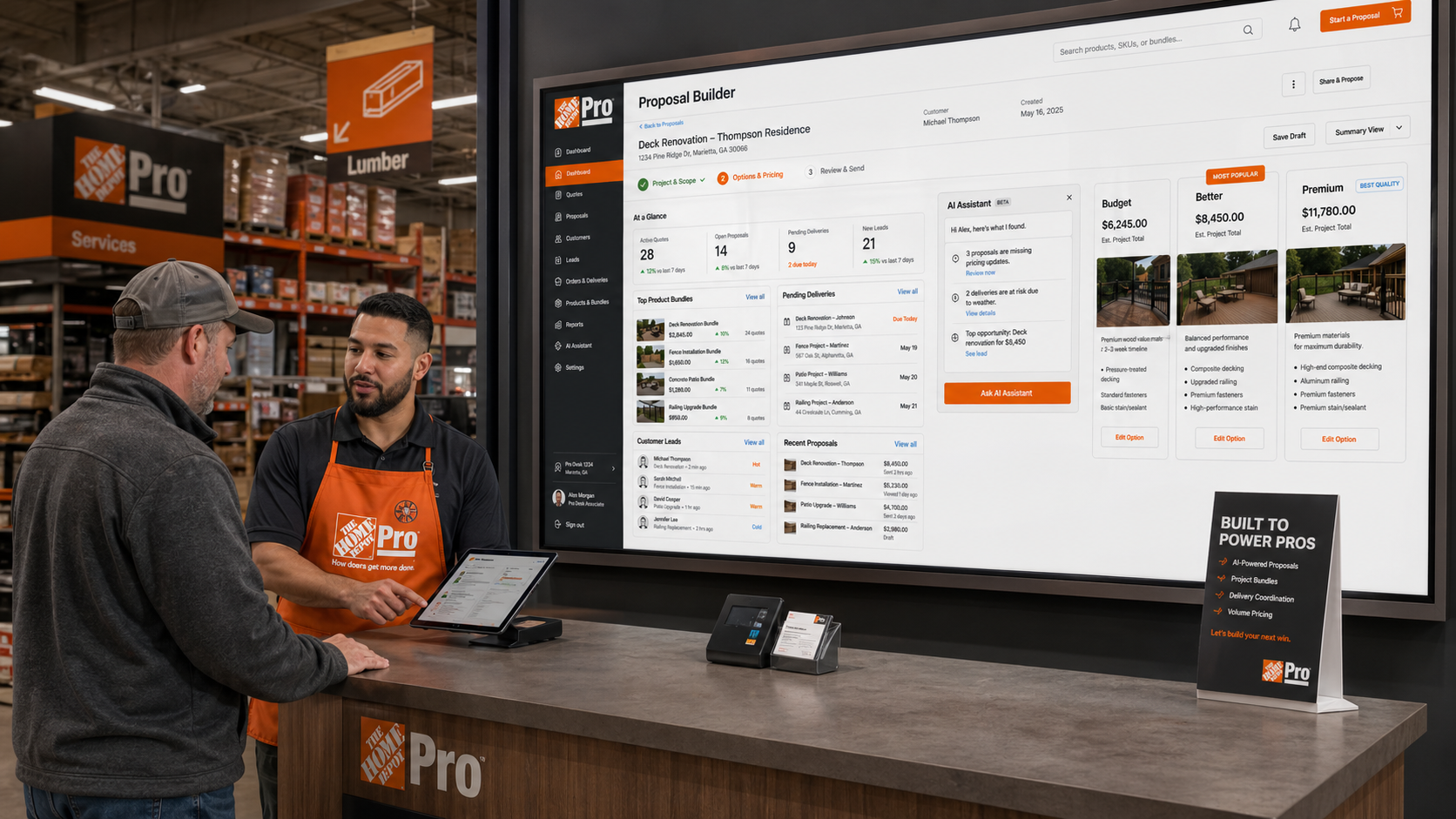
Instead of presenting a single estimate, they present three structured options.
Example:
Option 1 – Essential Installation
Basic project matching the homeowner’s initial request.
Option 2 – Enhanced Yard
Includes drainage improvements and premium turf.
Option 3 – Premium Landscape Package
Includes turf, lighting, edging, and design upgrades.
This structure changes the decision dynamic.
Instead of deciding whether to buy, the homeowner decides which option fits best.
In many cases, customers choose the middle or premium option.
Average project value increases significantly.
Step 6: Schedule Lock
One of the biggest reasons homeowners delay projects is the absence of urgency.
Successful contractors introduce scheduling into the proposal discussion.
For example:
“We currently have an opening in our installation schedule next week because another project moved. If we confirm the project today we can reserve that installation date.”
This creates a natural decision point.
Customers who were planning to wait often move forward.
Step 7: Installation and Follow-Up
The sales funnel does not end when the project is installed.
Smart contractors use the final stage to generate:
- customer reviews
- referral leads
- before-and-after photos
- repeat business
Satisfied clients often become the most effective marketing channel.
Many contractors report that 20–40% of new projects come from referrals.
Why Funnels Increase Project Size
A structured sales funnel does something important.
It shifts the contractor’s role from installer to advisor.
When contractors guide the process thoughtfully, homeowners begin trusting their recommendations.
This trust allows the contractor to suggest improvements that increase project value.
Instead of simply installing what was requested, the contractor helps create a better finished result.
The Revenue Impact
The impact of a structured sales funnel can be dramatic.
Consider two contractors receiving the same number of leads.
Contractor A:
- average project size: $6,000
- closing rate: 20%
Contractor B (using a structured funnel):
- average project size: $14,000
- closing rate: 35%
Even with identical lead volume, the second contractor generates several times more revenue.
The difference is not marketing.
The difference is the sales system.
The Real Advantage
In today’s construction market, leads are expensive.
But contractors who build a strong sales funnel discover something powerful.
They do not need dramatically more leads.
They simply need a better system to convert the leads they already receive.
Because the companies that control the customer journey ultimately control the project size, the closing rate, and the profitability of every job.
Whenever you're ready, tell me what you want to add and I will help expand or refine the article.