artificial grass
sales
commercial


Most suppliers say they sell quality materials.
That is true, but it is no longer enough.
In today’s construction and remodeling market, contractors and homeowners are not simply buying turf, pavers, tile, decking, flooring, or lighting. They are buying a result: a cleaner yard, a more usable space, a lower-maintenance property, a better-looking home, a safer play area, a more durable installation, or a smoother customer experience. Research from the National Association of Realtors shows homeowners most often value remodeling results such as improved functionality and livability, durability, and aesthetics, not just the raw inputs used to get there.
That has a major implication for suppliers.
The suppliers that grow fastest are not always the ones with the best price sheet. They are often the ones who help contractors connect materials to outcomes in a way customers understand and trust.
A contractor may technically be buying rolls of turf, pallets of pavers, cartons of tile, or boxes of fasteners.
But their customer is buying something else.
They are buying:
That distinction matters because homeowners do not evaluate projects like estimators. They evaluate them emotionally and practically. NAR’s 2025 Remodeling Impact Report found that the most important remodeling outcomes homeowners cited were improved functionality and livability, durable and long-lasting results, and beauty and aesthetics.
So when a supplier focuses only on technical features and unit pricing, they may be speaking in a language the end customer never uses.
Traditional supplier selling often sounds like this:
All of that may be true.
But unless the contractor can translate those features into a customer outcome, the material remains just a product.
For example:
That translation is where suppliers can create real commercial value.
Homeowners want to feel confident that they are making the right choice.
Houzz’s 2025 homeowner research found that 64% of homeowners cited recommendations or references among their top hiring factors. Houzz also reports that more than 2 in 5 homeowners said a clear project timeline would have improved their experience, and 40% said better communication from pros would have helped.
That matters because it shows buyers care deeply about trust, clarity, and confidence.
In other words, the sale is not won only by offering a good material. It is won by helping the buyer feel:
That is outcome-based selling.
Many suppliers assume they only influence the transaction after the contractor has already made the sale.
That is too late.
The strongest suppliers shape the sale before the order is placed by helping contractors:
That support changes the conversation from “How much per square foot?” to “Which option gives the homeowner the result they want?”
That is a much stronger place to sell from.
When contractors sell materials as commodities, price becomes the main comparison point.
When they sell outcomes, the conversation expands.
Now the customer can evaluate:
That shift matters because outcome selling can support healthier pricing. It does not guarantee the highest price wins, but it does reduce the chance that the lowest number automatically controls the decision. NAR’s research also found a meaningful share of homeowners later wish they had made different finish or material choices, which reinforces how important decision clarity is before purchase.
A supplier that helps contractors reduce that uncertainty helps them protect margin.
Let’s use artificial turf as an example.
A supplier may describe a turf product in terms of:
Those details matter to the contractor.
But the homeowner is more likely thinking:
If the supplier helps the contractor bridge that gap, the material becomes easier to sell.
Now the contractor is no longer just offering “turf with X spec.”
They are offering:
That is outcome language.
And outcome language sells.
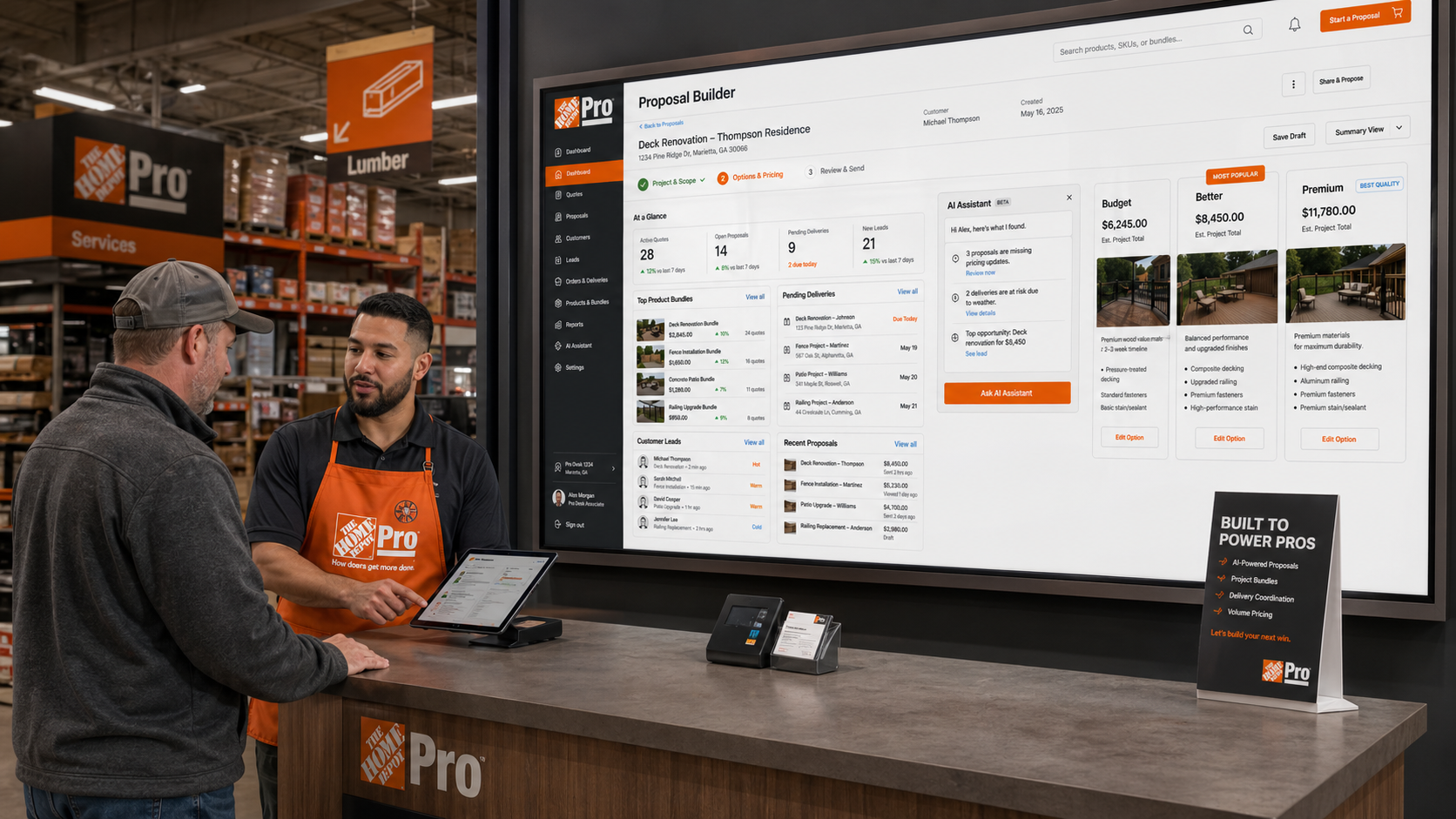
One of the clearest ways to sell outcomes is to show them.
Visualization helps contractors move the customer from abstract scope to visible result. That matters because uncertainty weakens buying confidence. Houzz’s research on homeowner expectations emphasizes that clarity, communication, and a better understanding of the project experience are major drivers of satisfaction.
When a homeowner can see what the finished project may look like, the supplier-supported contractor is in a much stronger position to sell:
This is one of the strongest ways suppliers can stop acting like inventory providers and start acting like revenue partners.
This is not only about winning one job.
It is also about building loyalty with contractors.
A supplier that helps a contractor sell outcomes is helping them:
That support creates stickiness.
Contractors remember who helped them win the deal, not just who had stock in the warehouse.
Suppliers do not need to abandon product knowledge. They need to connect it to results more clearly.
That can start with a few practical changes.
Instead of stopping at technical specs, add plain-language explanations.
For example:
These can include:
A supplier rep should be able to answer not only “What is this made of?” but also “Why will this matter to the homeowner six months from now?”
A catalog becomes more useful when it helps contractors sell the right result:
That framing supports faster decisions and better upsell conversations.
The market is slowly forcing this change.
Homeowners are researching more, expecting clearer communication, and judging pros on trust, references, and presentation quality. Houzz found that 91% of homeowners who completed renovations after August 2023 hired professional help, which means pros still have strong opportunity, but they must present their value clearly.
That means suppliers have a choice.
They can stay in the old model:
Or they can move into the stronger model:
The second model is much harder to replace.
Materials matter.
But materials alone rarely create emotional confidence, justify premium pricing, or build long-term loyalty.
Outcomes do.
The suppliers that win in the coming years will be the ones who help contractors sell what customers actually want: better-looking spaces, lower-maintenance properties, stronger performance, more confidence in the decision, and a finished result that feels worth the investment. Homeowner research consistently points to functionality, durability, aesthetics, communication, and trust as core decision drivers.
That is why suppliers need to sell outcomes, not just materials.
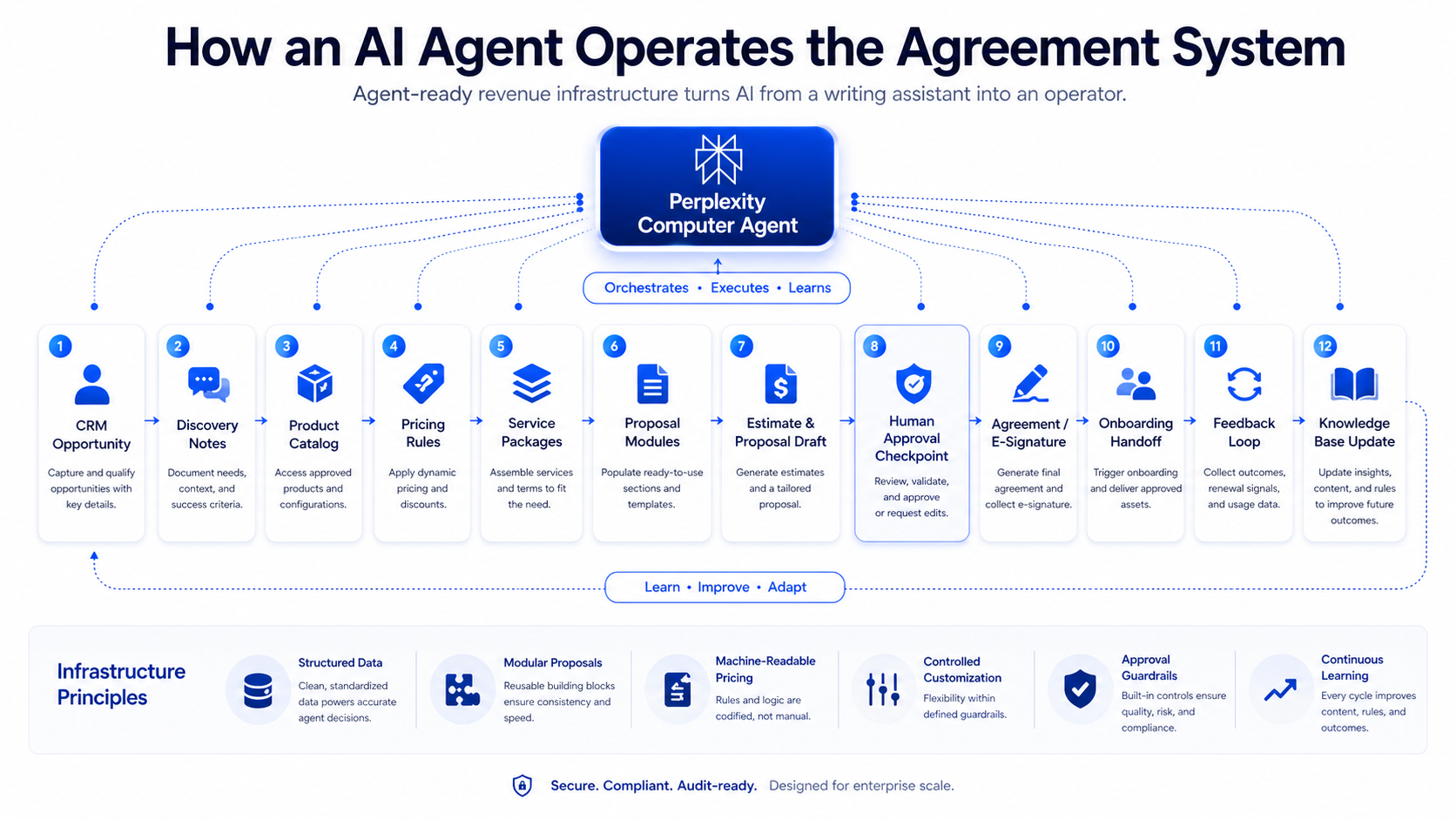
At Proven Dude, we help suppliers turn product support into growth support through better catalogs, proposal tools, margin exercises, visualization workflows, and contractor enablement systems that make premium materials easier to sell.
Because the supplier that helps contractors sell the result becomes far more valuable than the supplier that only delivers the product.